AAFDA CEO Frank Mullane Awarded MBE in 2019 New Year's Honours list

Catherine Razzell - daughter of Linda Razzell, and Frank Mullane MBE - Chief Executive of AAFDA have shared their statements below.
Catherine Razzell:
"It is a relief this morning to our family that my father, Glyn Razzell, who killed my mother Linda, has been refused parole and will remain in prison for refusing to disclose where her body is. It was the right decision for this to be decided in the High Court, and it is vital that Helen's Law is always applied in parole decisions such as these, which makes it a legal requirement for the Parole Board to take into account a killer's failure to disclose the location of a victim's remains when considering them for release. The decision by my father to not tell us where her remains are is not only cruel, but an extension of the coercive control he exerted throughout their relationship.
Our sense of safety as a family after losing my mother has been built around the fact that my father is in prison. When a perpetrator of domestic homicide is serving a sentence it is impossible to say their behaviour can show that they are safe to release, as they are dangerous within the context of intimate partner and family relationships, which cannot be tested within prison. By choosing to withhold the only information that could provide us with some comfort and closure, and preventing us from being able to hold a funeral for our much-loved mother, he is clearly demonstrating he is still abusive -retaining power over the situation and prioritising his narrative, where he can deny killing her, despite being found guilty and given a life sentence. To our knowledge he is of sound mind and knows what he is doing, so there is no reason for him to be released while he is still actively choosing to be controlling and abusive from within prison.
However, it is important to recognise that while we welcome the decision made today, part of my father's abuse is that as a family we have to go through this process. As well as experiencing the most devastating loss of my mother, 24 years later, we are still in court trying to keep the rest of our family safe from a man who is continuing to do our family harm. None of us want my father to die in prison, what we want is for him to acknowledge what he has done, show remorse and tell us where our mother's body is so that we can finally lay her to rest. There is no peace for us until that happens.
We would like to thank the charity AAFDA, Advocacy After Fatal Domestic Abuse, for their support throughout and for being with us during the hearing. We would also like to thank the family of Helen McCourt, whose Helen's Law is named after, particularly her mother Marie McCourt, whose campaigning has made such a difference to the outcome today."
Frank Mullane MBE:
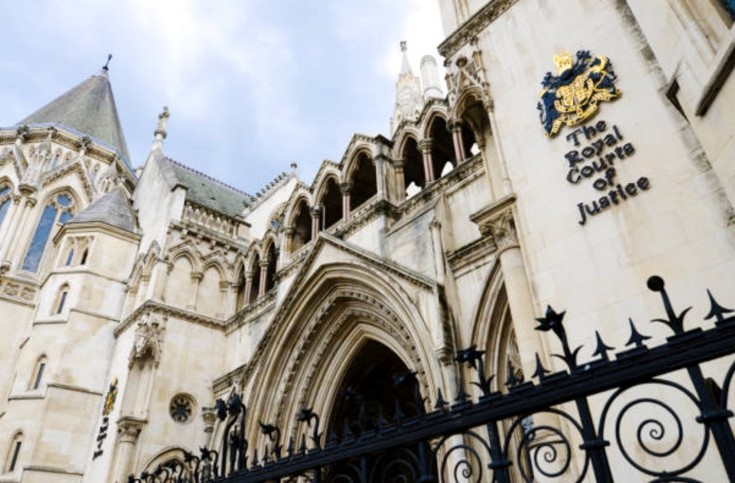
"It was important that the parole board decision to release Glyn Razzell was referred to the High Court, following his continued refusal to disclose the location of the body of his wife Linda Razzell, who he was convicted of killing. Today's decision to keep him in prison has tested the real-life impact of Helen's Law, that was created following the death of Helen McCourt. Helen's killer was released from prison without disclosing where the remains of her body were, but today we are relieved that the decision has been made to refuse Glyn Razzell parole.
The criminal justice system should be there to protect bereaved families and to do this it needs to understand coercive control and apply that knowledge to their decision-making. Those who kill their partners or family members and withhold information about the location of their remains, are retaining what power and control they can over the situation and being psychologically abusive to the grieving family members. They are also retaining what control they can over the person they killed, even after their death. When the criminal justice system releases perpetrators early, it can embolden abusers to say to their victims that there is no point going to the police.
In court, the judge made it clear that she recognised Helen's law, understood risk in intimate partner violence and that the prisoner had done virtually no rehabilitative work. Today's decision sends out an important message and we hope it will set a precedent for future cases. Our thoughts are with the Razzell family, who have been through so much, and only found out that a decision would be made today at short notice. We recognise the process of seeking justice can be a continuation of the abuse, and it can be exhausting and relentless.
No other family should have to go through this, and we are here for families who need us when navigating a system that can cause further trauma following bereavement by domestic abuse.”














.png)